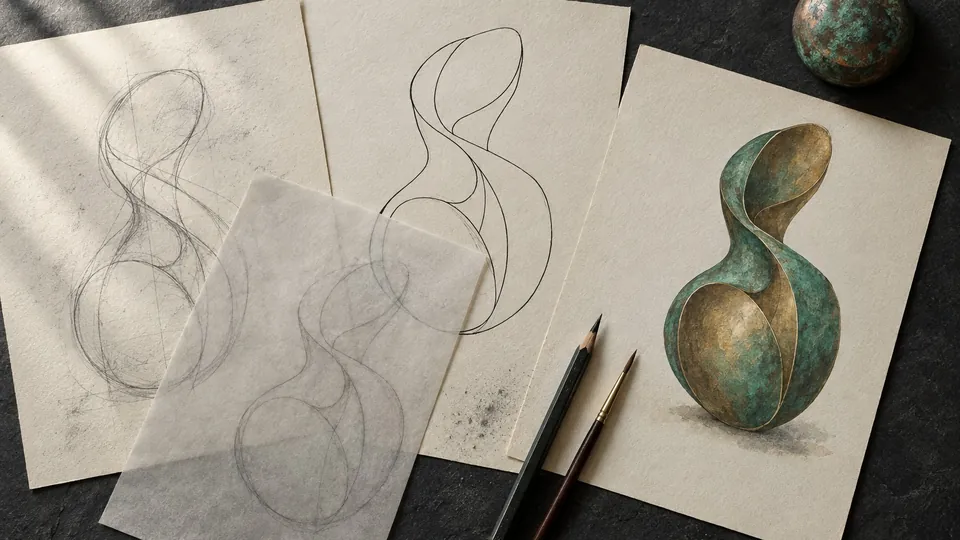
Pillar
Process and Provenance
How to prove art is not AI: document your process, attach and read Content Credentials and image metadata, check where an image came from, respond to an accusation calmly, and disclose honestly. Practical craft for artists working in the age of generated images.
Bio Rust has always been about made by hand craft. This pillar covers the practical side of that promise: how to prove art is not AI when someone asks, what provenance standards and embedded metadata can and cannot show, how to check where an image came from, and how to look at a picture fairly before calling it generated. It is written from the artist's side, for people whose stylized, polished work is exactly what automated detectors misread.
The lane is content authenticity, and the tutorials fall into four groups: keeping a record, reading and attaching file level provenance, judging images, and handling the moment the question is aimed at you. Read them in that order the first time. The record comes first because every other guide leans on it.
Keep a record, then make the file carry it
Start with how to document your art process, the habit everything else builds on: roughs, construction layers, named layered files, dated session saves and a timelapse, kept in a private archive so that proof exists before anyone asks for it. Then read Content Credentials and C2PA explained for artists for what a signed manifest records, what it cannot prove, and how to attach and verify one, and image metadata for artists for the creator, rights and digital source fields, the location data to remove, and a test of what each platform keeps or strips on upload.
Judge images with a craft eye
The new guide to checking where an image came from is the procedure: read the credential if there is one, read the metadata, trace the earliest copy, and only then look at the pixels. For the looking, telling generated images from hand-made work uses construction, edges, light and detail, and is honest that the answer is often uncertain. Image tools versus hand-made technique explains why construction, value and edge skills matter more when a machine can output a finished looking picture in seconds, and why AI image detectors flag real art covers what a 2024 study of eight detectors found and how a score should be treated.
When the question is aimed at you
Read what to do when someone says your art is AI: an evidence first playbook for what to share, what to keep private, how to appeal a platform decision, and how to prevent it next time. The same honesty applies to the words around your art, covered in artist statements and disclosure of writing tools, which is about writing in your own voice and saying plainly when a writing tool helped.
| The question you are facing | The guide to read |
|---|---|
| How do I prove a piece is mine before anyone asks? | How to document your art process |
| What does a Content Credential actually prove? | Content Credentials and C2PA explained for artists |
| Which metadata fields matter, and what survives upload? | Image metadata for artists |
| Where did this image come from? | Checking where an image came from |
| Was this picture generated or altered? | Telling generated images from hand-made work |
| Why keep learning to draw at all? | Image tools versus hand-made technique |
| A detector flagged my work. Is it broken? | Why AI image detectors flag real art |
| Someone says my art is AI. What now? | What to do when someone says your art is AI |
| How do I disclose help from a writing tool? | Artist statements and disclosure of writing tools |
Two principles run through the pillar. No single file is proof, and no single score is a verdict: a consistent record beats any one artifact, and a detector result is a reason to look closer, never a conclusion. The construction, value and edge skills taught in the character and anime art pillar and the digital painting fundamentals pillar are what make both halves work. An artist who understands why a face is built the way it is can prove their own process and spot a picture that skipped one.
Techniques in this pillar
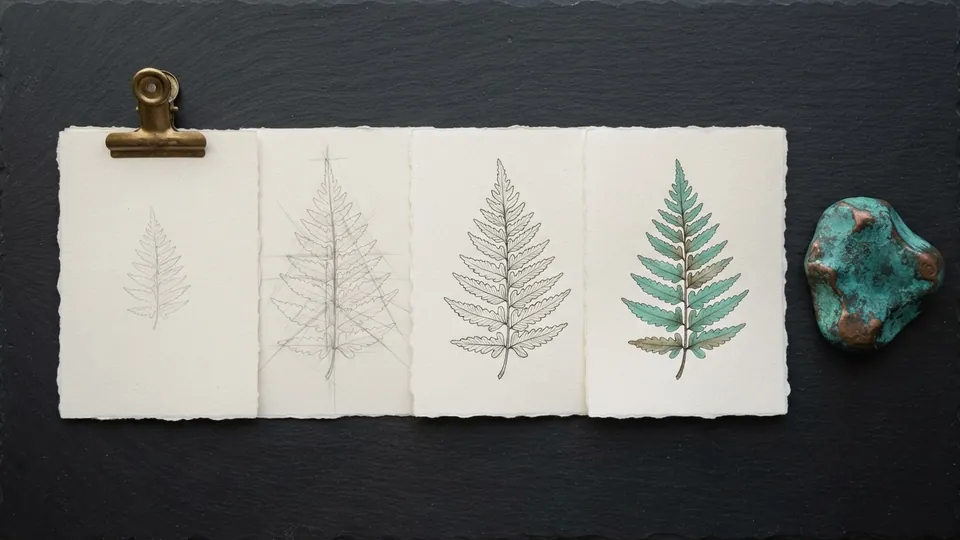
Plate 01 How to Document Your Art Process
A repeatable way to keep thumbnails, construction, session saves, layered files and timelapse so you can show exactly how a piece was made, and prove authorship when someone asks.
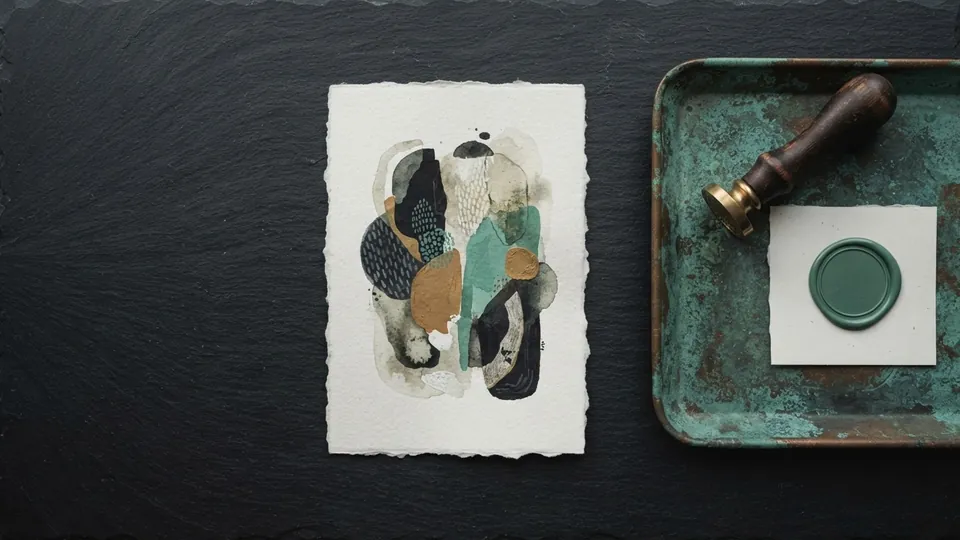
Plate 02 Content Credentials and C2PA for Artists
A Content Credential is a signed record of who made a file and what was done to it. Here is what the manifest holds, how to read one, and where it stops being proof.
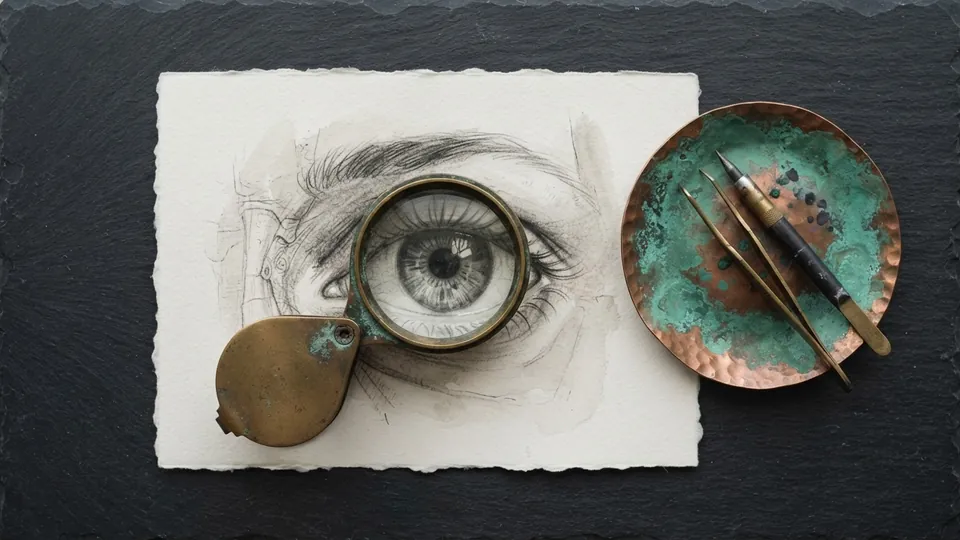
Plate 03 How to Tell If Art Is AI: A Craft-Based Method
A craft-based way to judge whether an image was generated: provenance and process first, then construction, edges, light and detail, with an honest account of how reliable each tell is.
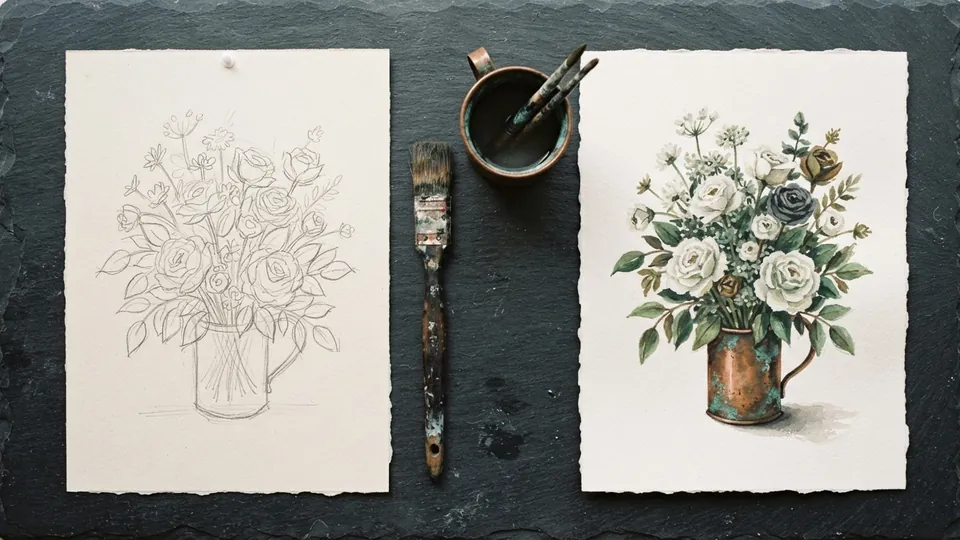
Plate 04 AI Art vs Human Art: What Hand Technique Teaches
What image generators do well, what they cannot give you, and why construction, value and edge control matter more when a machine can output a finished-looking picture in seconds.
Plate 05 Image Metadata for Artists
Every image carries hidden fields beside its pixels. Fill the ones that claim your work, strip the ones that leak your location, and test what each platform keeps.
Plate 06 How to Check Where an Image Came From
Before you credit, repost or accuse, trace the image. Seven checks in a fixed order, from the largest copy to the visual tells, with a log of what each one showed.
Plate 07 Why AI Image Detectors Flag Real Art
Why automated detectors misread stylized and heavily polished hand-made work, what the research actually found, and how artists, judges and moderators should treat a score.
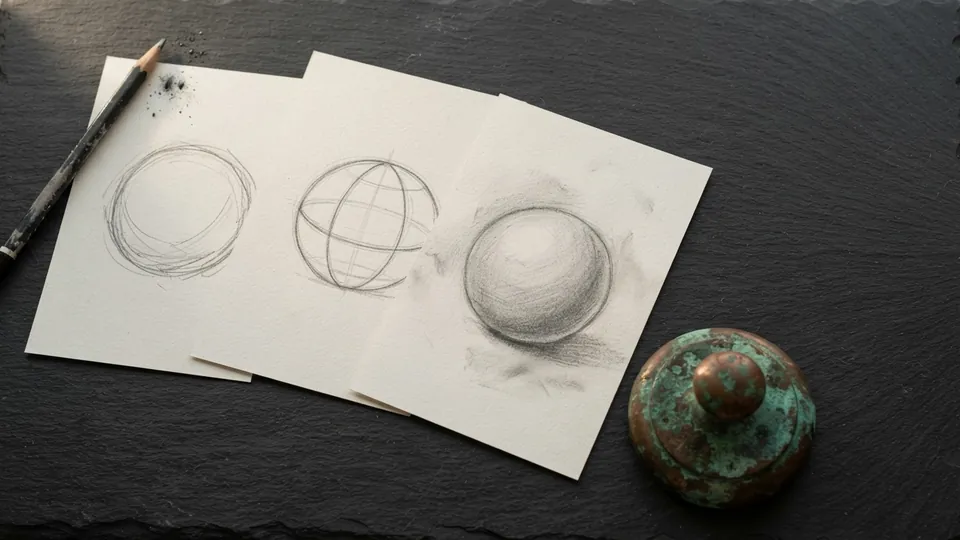
Plate 08 Accused of Using AI Art? How to Respond
A calm, evidence first playbook for artists accused of posting generated work: what to share, what to keep private, how to appeal, and how to stop it happening again.
Plate 09 Artist Statement: Write It in Your Own Voice
Your artist statement, bio and captions are part of the record around your art. Write them from process notes, keep them specific, and say plainly when a writing tool helped.
Common questions
How do I prove my art is not AI?
Keep a record that only the person who did the work naturally has: roughs, construction layers, a layered file with named layers, dated session saves and a timelapse. Attach Content Credentials where your app supports them. No single file is proof, but a consistent process record is very hard to dispute.
Are AI image detectors reliable?
Not reliable enough to act on alone. They produce false positives on real, especially stylized, art and miss edited generations. Use a score as a reason to look closer and to ask for process, never as a verdict. The false positives guide covers what the research found and how a judge should treat a result.
Do I need special software for Content Credentials?
Only an app that can attach them on export, and a public verification tool to read them. Many artists start with a visible process note and a private archive, then add credentials where their tools support it. The C2PA guide covers what a credential records and what it cannot prove.
How can I check whether an image was altered or generated?
Read the credential and metadata first, trace the earliest copy you can find, then look at the pixels with a craft eye: construction, edges, light and detail. The provenance guide gives the order, and the spotting guide explains what to look for and why the honest answer is often that you cannot be sure.
Should I disclose if I used a writing tool for my artist statement?
Yes, plainly and briefly, in the same way you would credit a translator or editor. The artist statement guide covers writing in your own voice first, why text detectors misread plain writing, and a one line disclosure that does not undercut the work.
Related reading
- How to Document Your Art ProcessA repeatable way to keep thumbnails, construction, session saves, layered files and timelapse so you can show exactly how a piece was made, and prove authorship when someone asks.
- About Bio Rust and the made by hand manifestoWhy the library exists and what it stands for.
- How Bio Rust tutorials are madeHow techniques are written, tested, corrected, and illustrated.
- The full tutorials archiveEvery technique in one filterable list.
- Bio Rust homeThe digital art technique library, start here.